
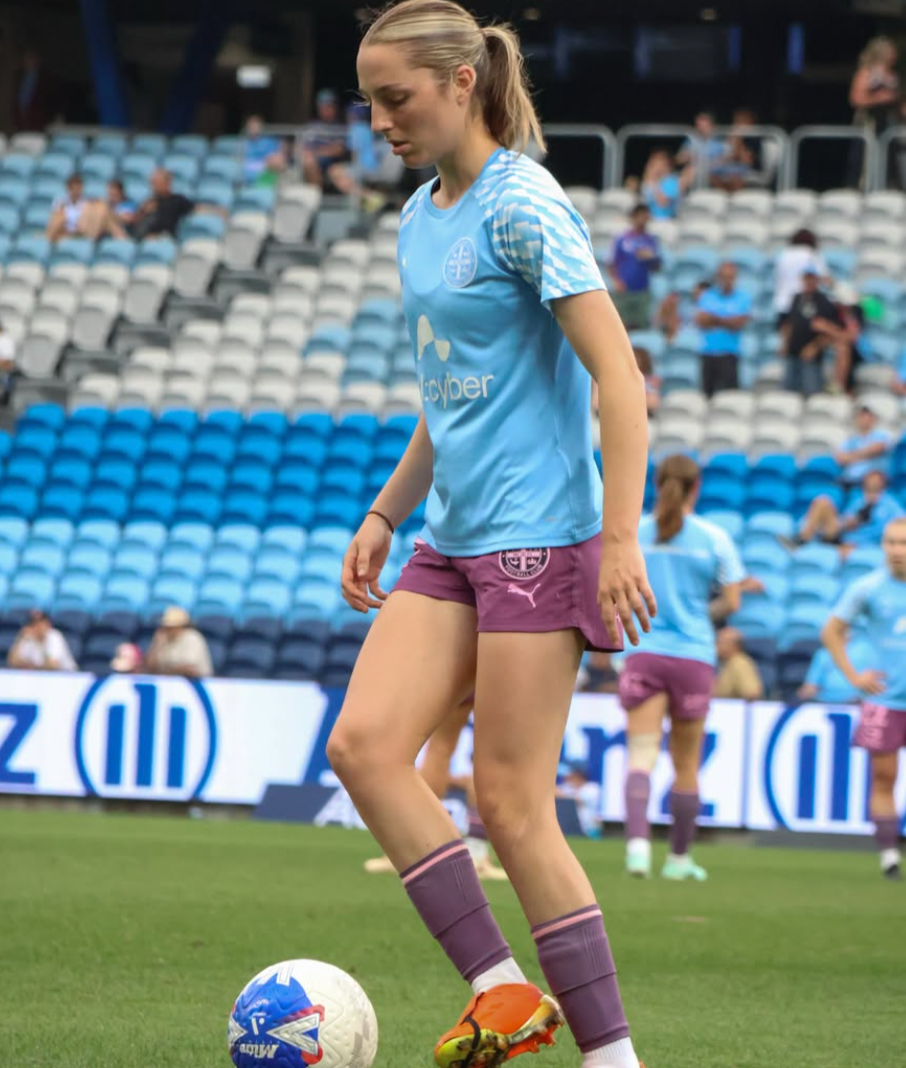
On 25 June 2024, I received a phone call from Tully Heatley that no coach wants to receive. She had suffered a serious knee injury while trialling with an A-League club, an opportunity I had helped organise at a time when her football was flourishing. More than two years later, another call came from Tully. This time, the news was very different. She was going to Melbourne City.
From City to City: Brisbane to Melbourne. From Brisbane City to Melbourne City.
Between those two calls were 588 days away from playing. I coached Tully at Brisbane City in 2024 and again at the Queensland Academy of Sport (QAS) in 2025–26. Our time together gave me the opportunity to support her through very different stages of her personal and football development. Her professional contract is something to celebrate. So is everything she worked through to reach that point. Looking back, I feel enormous pride in Tully, and gratitude for what coaching her has taught me.
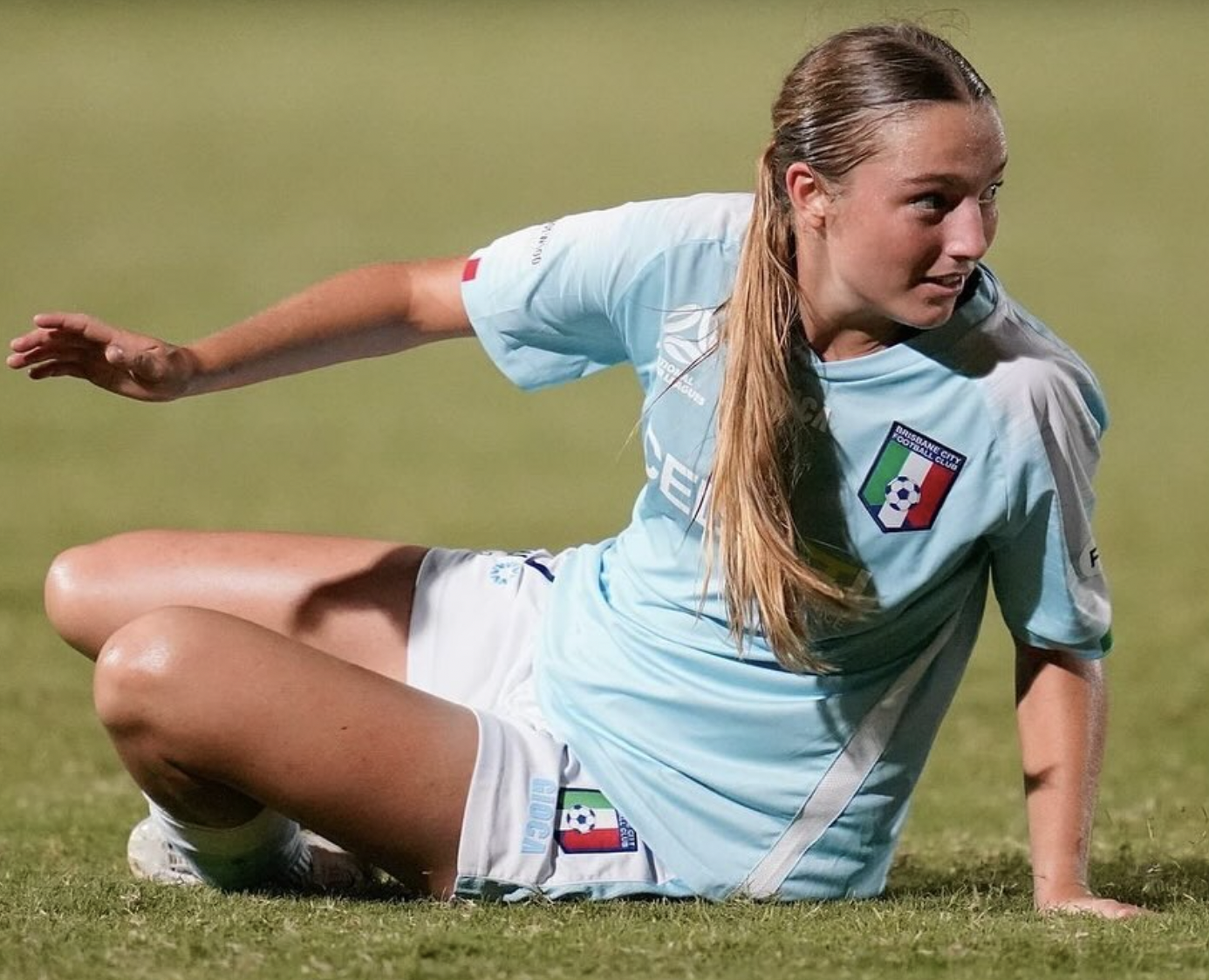
Tully at Brisbane City in 2024.
When Tully joined Brisbane City in 2024, she was choosing to challenge herself. Leaving QAS meant leaving friends and a familiar environment for senior football, where a place in the starting team had to be earned. She later wrote openly about how difficult that decision had been. As her coach, I could see the value of that step. She had creativity and ambition, and she was willing to work. Around her were experienced players who could help her understand what it took to perform consistently and contribute to a successful team.
In her Brisbane City reflections, Tully described teammates who welcomed her, gave honest feedback and set standards through their own preparation and performance. She was learning to accept mistakes as part of improving, while taking responsibility for the details of her game. That is the balance I want in a football environment: enough challenge to stretch a player, with enough support for her to keep learning when things are difficult. Tully embraced that from the beginning. As her football progressed, I helped organise the A-League trial. It was an opportunity to test herself again, this time at the level she hoped to reach.
When the plans change
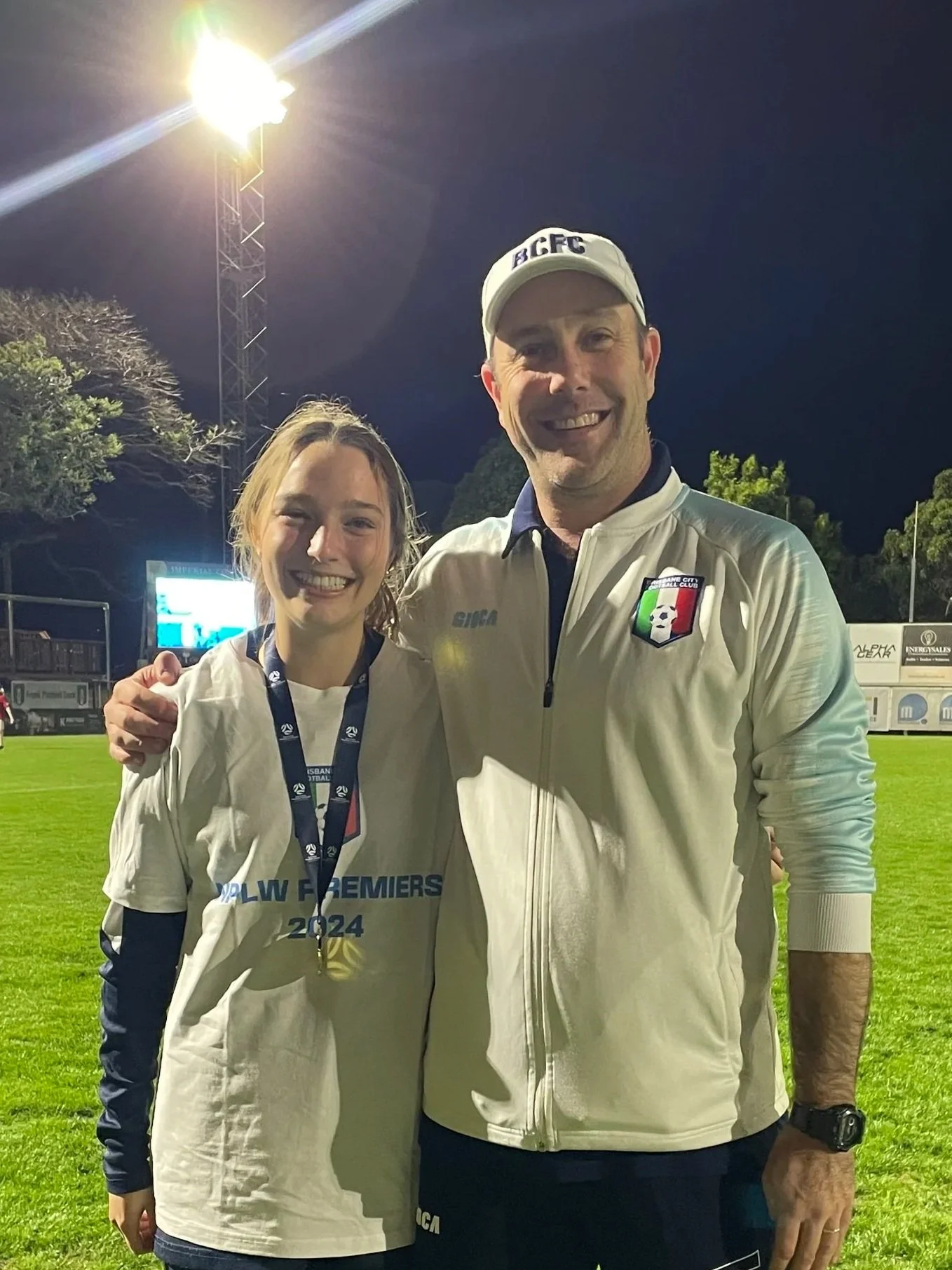
Tully had earned her place in the champion team’s success.
The injury changed those plans immediately. Tully had ruptured her ACL and partially torn her MCL. Hearing that news was difficult. I had helped create the opportunity, and now I was on the other end of the phone, unable to be there beside her. We had been looking towards her next step in football. Suddenly, the immediate questions were about surgery, rehabilitation and how to support her through what lay ahead. Brisbane City went on to win the NPLW Premiership and Championship that season. Tully had contributed to that success, but injury meant she was watching when the Premiership was secured. In her blog, she questioned whether she had done enough to deserve her medal.
Her contribution had been made across the season, in training and in matches, alongside the people she had worked with. Being injured did not erase any of that. I wanted her to understand that she still belonged in the team and in its success. That mattered beyond the medal, and while so much about her football had suddenly become uncertain, her place among us should never have been in doubt.
Finding words for the difficult days
In consultation with her family, I invited Tully to document her rehabilitation through Timeandmethod. I hoped writing would give her space to reflect on what she was experiencing and, perhaps, help other young athletes facing similar challenges. The words were hers. I might help find a photograph or tidy up some grammar, but the experiences, reflections and honesty belonged to Tully. She wrote about the frustration of being away from the game, the uncertainty of her progress and the loneliness rehabilitation could bring.
She also shared the milestones: managing everyday tasks again after surgery, returning to running, passing a ball and gradually becoming more involved in training. Reading those posts gave me another way to understand how she was experiencing the process. A training session can show you what a player is able to do. Her writing helped explain what that progress meant to her, and what she was still finding difficult.
I appreciated her willingness to share the emotions. She could acknowledge a good day without pretending that all the difficult ones were behind her. That honesty made the blog valuable, and it helped me listen more carefully.
QAS in 2025 and 2026
When I returned to QAS in 2025, there was an opportunity to work with Tully again in an environment that could support her rehabilitation and ultimate return. We already knew each other, but what she needed from me had changed. At Brisbane City, we had been working towards consistent performances in senior football and an opportunity at the next level. Now, the focus was on rebuilding her involvement in training, supporting her confidence and helping her manage football alongside life after school. The rehabilitation team guided the physical process. My role was to work alongside them and help make the football environment a place where she could progress, feel connected and enjoy being a player again.
As her involvement increased, she wrote about the excitement of dribbling and shooting again. She also described the frustration of wanting to do more while still working within the limits of her return. Both feelings were understandable. For me, this period reinforced something I am still learning as a coach: more does not always mean better. There are times to challenge a player and times to listen more closely. Encouragement can help, but so can giving someone room to work things out. The difficulty is recognising what is needed at that moment, rather than relying on the approach that worked before. I am still developing that awareness. Working with Tully reminded me to pay attention to the person in front of me and to question my own expectations. Her development was continuing, and so was mine.
588 days
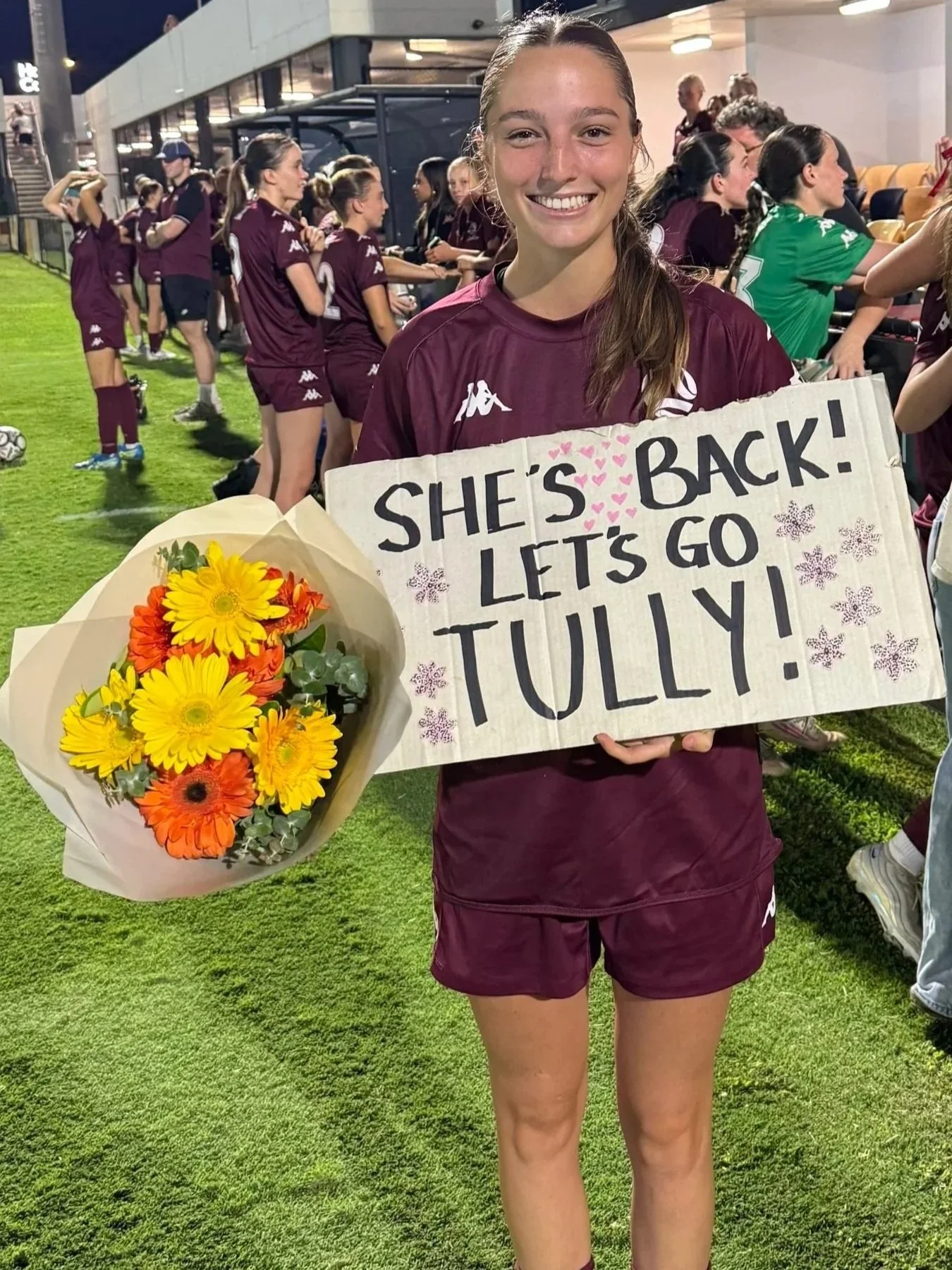
“She’s back. Let’s go Tully!” Celebrating her return to the field.
On 31 January 2026, Tully returned to the field after 588 days away. She played 30 minutes. After everything involved in getting there, that was an achievement worth stopping to appreciate. Her 588 Days reflection also showed how much had changed beyond football. She had finished school, started working and developed interests and ambitions outside the game. She was learning about independence and the people she wanted around her.
One sentence stayed with me: “Football is something I do, it is not all that I am.”
I was pleased to read that. Football still mattered enormously to her, but she was beginning to understand herself more broadly. A difficult session or performance did not have to determine how she felt about her whole life. That understanding is something I hope we help young people develop. We invest so much in their performance, and we should care just as much about whether they are becoming confident enough to make decisions, seek support and pursue their own goals. Tully’s return gave us a football milestone to celebrate. Her reflections gave me another reason to be proud.
Support in both directions
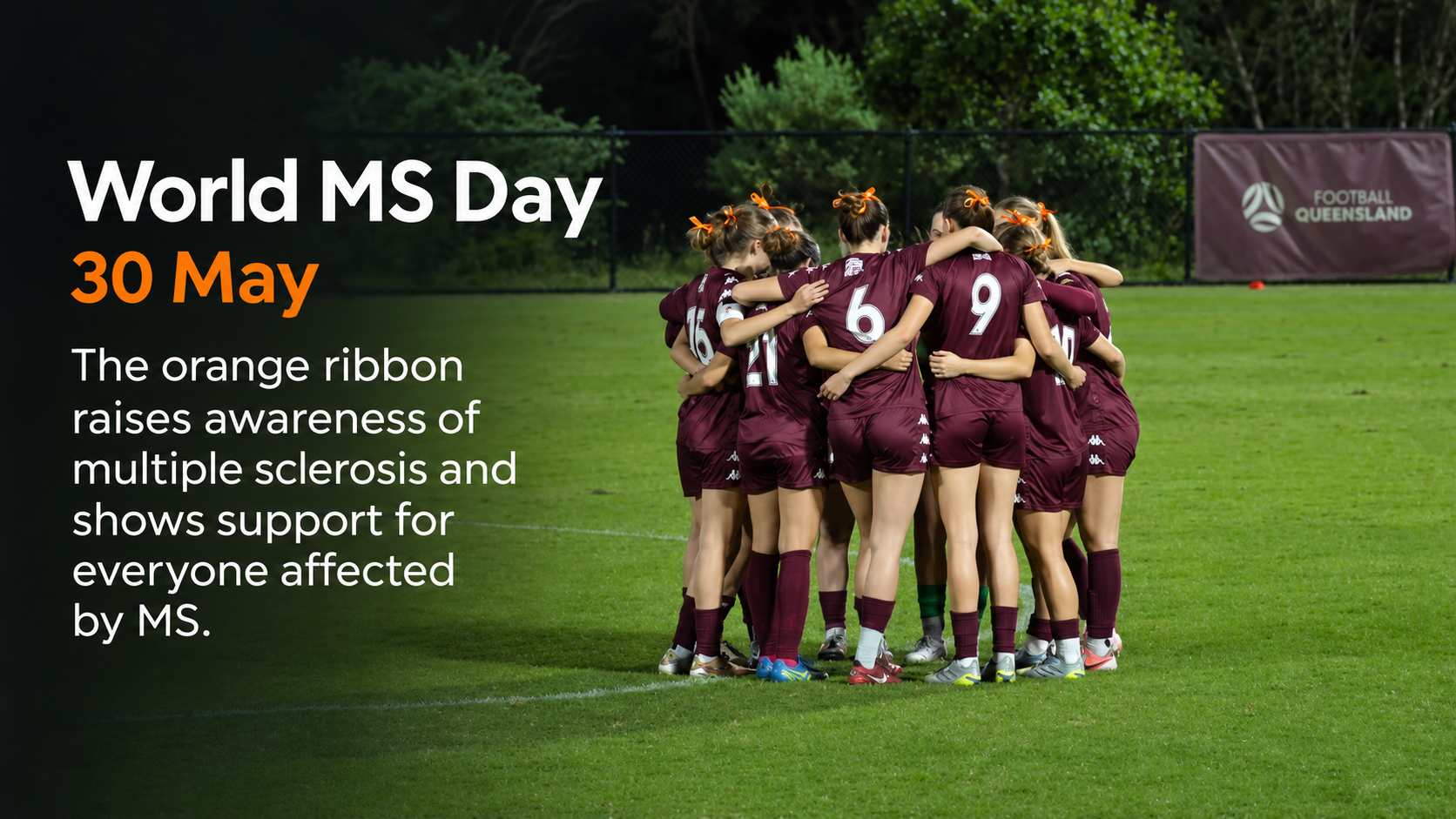
The QAS team’s orange ribbons were a gesture of support for my wife and our family.
Later in 2026, family circumstances meant I stepped away from QAS. My wife had been diagnosed with multiple sclerosis which we are still adapting too as a family. By coincidence, that final game fell on World MS Day. The players wore orange ribbons in support of my wife. It remains one of the most emotional pre-game talks I have given.
I had spent considerable time thinking about how to support players through difficult periods. In that moment, I felt what it meant to receive that support myself. The players had recognised something important happening in our family and found a way to show that they cared. I will always be grateful for that gesture. It gave real meaning to the conversations we have about belonging and looking after one another.
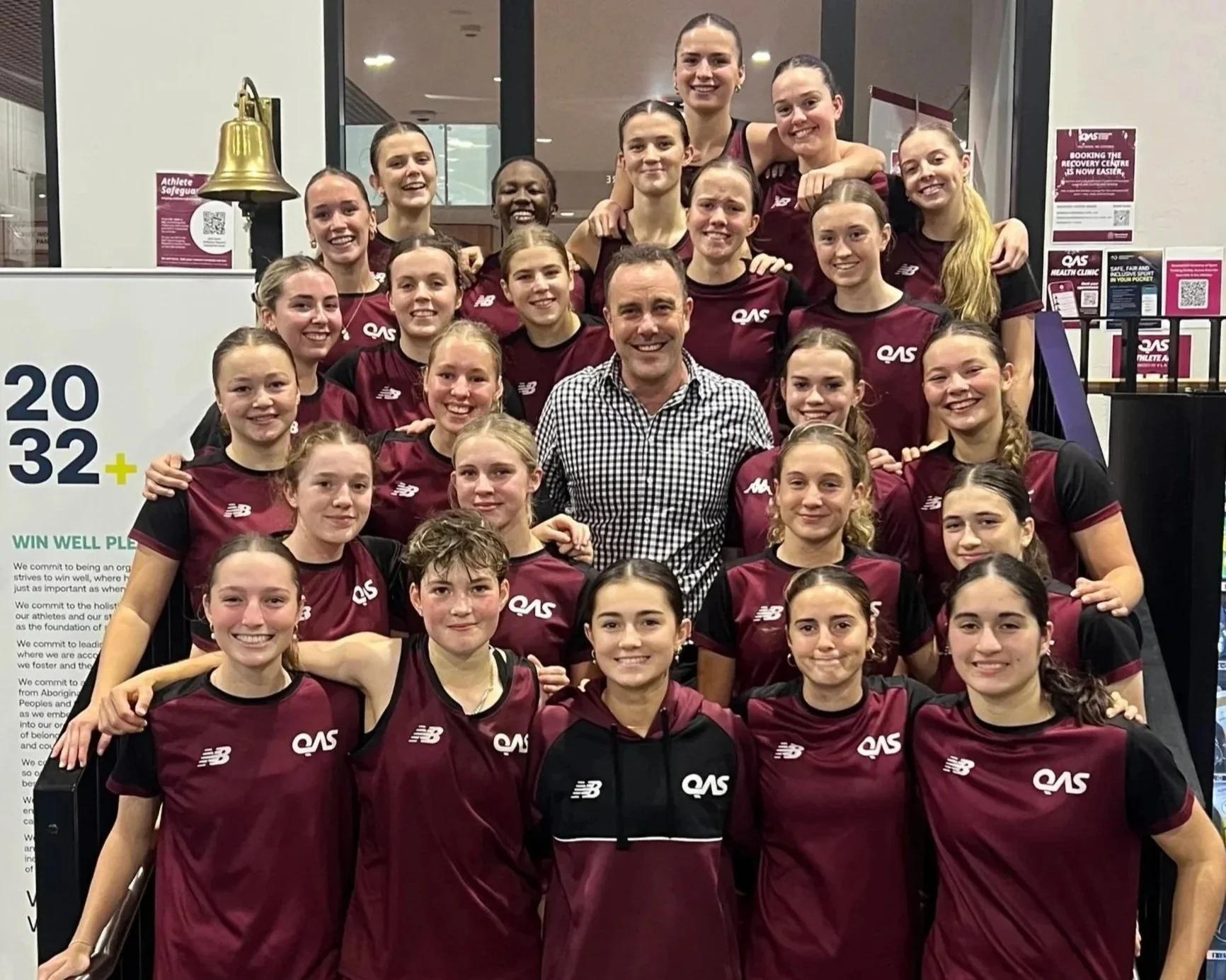
28 May 2026 - Daves final Day
After I left QAS, Tully’s journey continued. Her time on the pitch increased, and her performances grew with along with her confidence.
Against her old club (Brisbane City), the club where we had worked together before her injury. Tully scored a bomb of a goal and thankfully I was there to see it live. WOW!!
There was something particularly pleasing about that goal. The player who had once questioned whether she deserved her Premiership medal was back influencing matches. She was building towards another opportunity, and I was delighted to see it continue for the rest of the FQ NPLW season.
From City to City
In early October, Tully and I were talking about A-League opportunities, and a move to Brisbane Roar was not coming together, so she began looking further afield. Then came the second phone call. She had an opportunity at Melbourne City. On 13 October 2026, the club announced that Tully had signed her first professional contract.
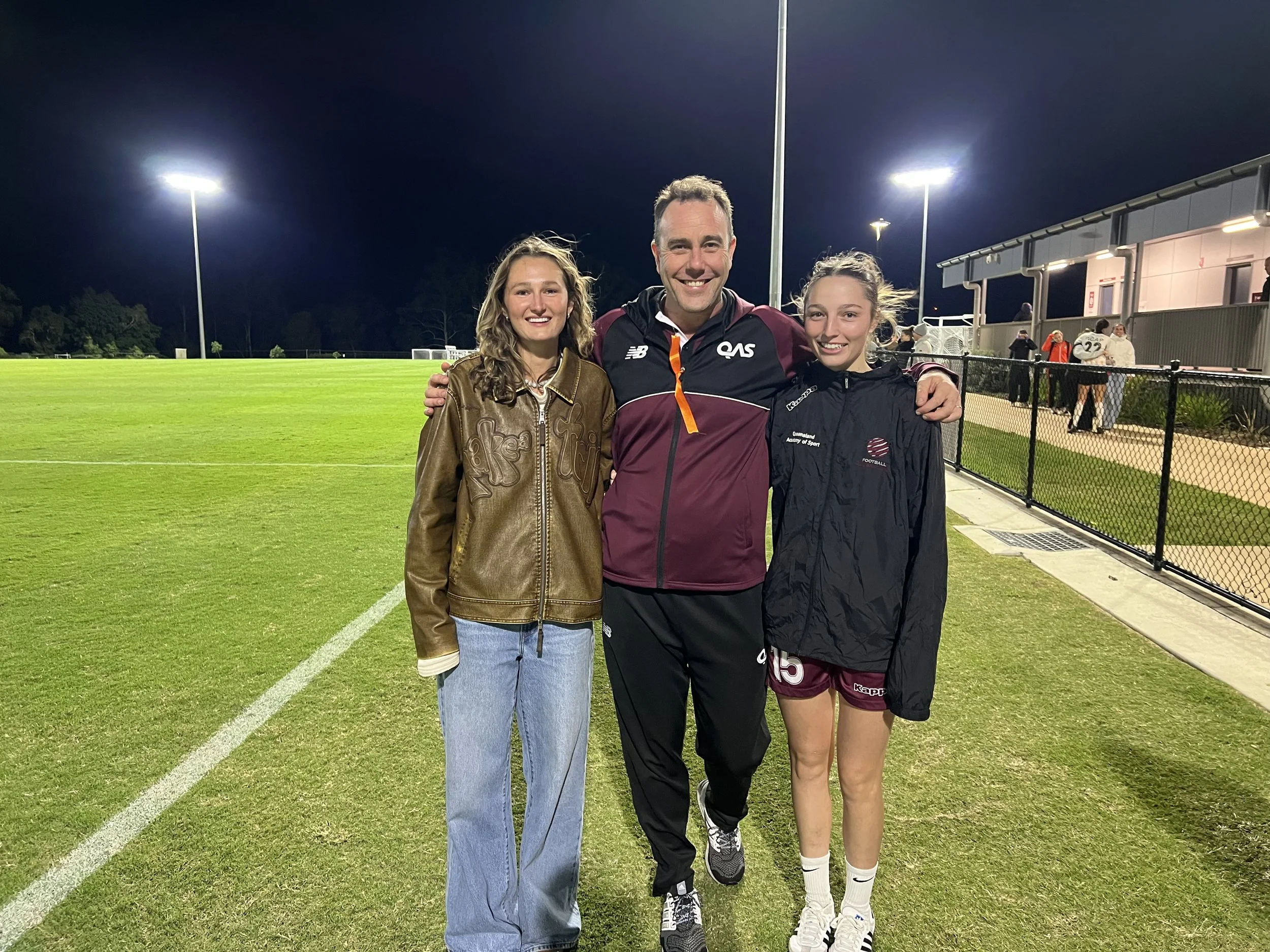
Wini + Dave + Tully 30th May 2026 - Another unique moment of coincidence
I was so happy for her. I had also coached her older sister (Wini) between the ages of 15 and 17, which made seeing Tully take this step particularly meaningful. Being able to support both sisters at different points in their development has been a privilege.
On 25 October, Tully made her A-League Women debut against Sydney FC, coming on in the 63rd minute of Melbourne City’s 5–0 win. In November, she also made her AFC Women’s Champions League debut against Kaya FC-Iloilo.
From Brisbane to Melbourne. From Brisbane City to Melbourne City. The title almost writes itself. The journey took rather more work. A new city and a professional club bring fresh demands. Tully will have to earn opportunities again, learn from new teammates and coaches, and adapt to a different level of football. She has already shown a willingness to do those things, and I look forward to seeing how she continues to develop.
The privilege of being a coach
Coaching Tully across Brisbane City and QAS has given me plenty to reflect on. The same player needed different things from her environment at different times, and I had to keep learning how best to support her. Gilbert Enoka describes two rules of leadership: “The first rule is it’s not about you. And secondly, it’s only about you.” I take that as a reminder to keep the player’s goals at the centre, while accepting responsibility for my own behaviour and the environment I help create.
I can help create opportunities, offer feedback and be available when things are difficult. Tully has had to make the decisions and do the work. Her family, teammates, coaches and rehabilitation team have each supported her in ways that matter. I am grateful to have played my part alongside them. I feel that same pride in the other players from our 2026 QAS group who have earned A-League opportunities across the country. Each has earned her opportunity, and each has a story of her own.
When I think back to those two phone calls, I remember how difficult it was to hear the first and how pleased I was to receive the second. Between them, my role changed, Tully’s circumstances changed, and life asked different things of us both. The relationship continued. Tully, thank you for trusting me to support you through these stages of your journey, and for sharing your experiences so openly through Time & Method. I hope you take time to enjoy what you have achieved. You have earned this opportunity, and I look forward to watching you make the most of it.
From City to City, you have travelled from Brisbane to Melbourne and from one club to another. Along the way, you have learnt more about yourself, found your way through difficult circumstances and kept working towards something that matters to you. You have taken responsibility for your own development and allowed others to learn from your experiences. Watching you grow in confidence and understanding has been a privilege.
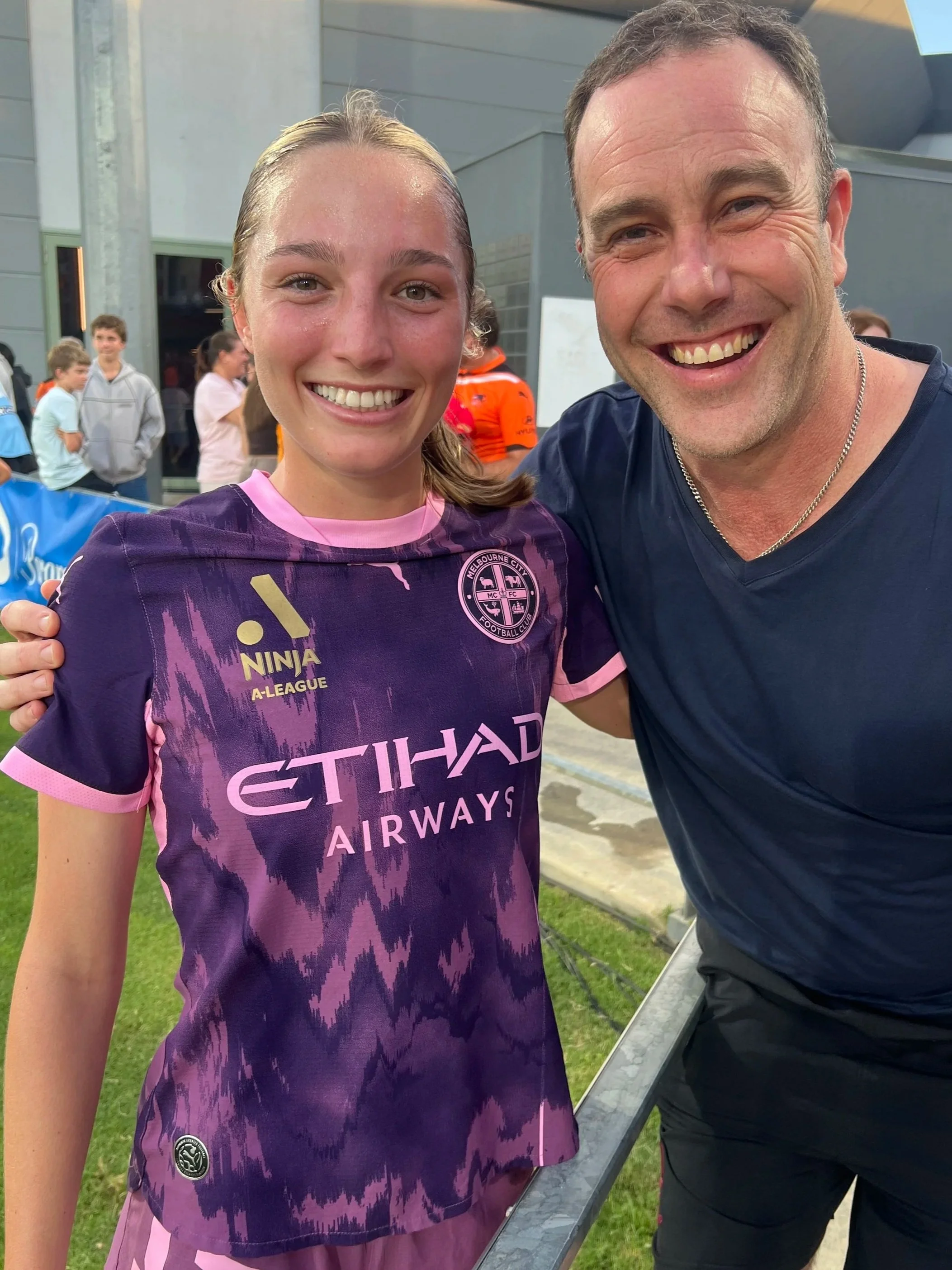
And that, Tully, is what makes me most proud of what you have achieved
I finally want to acknowledge the three other QAS players who progressed into A-league from QAS 2026.
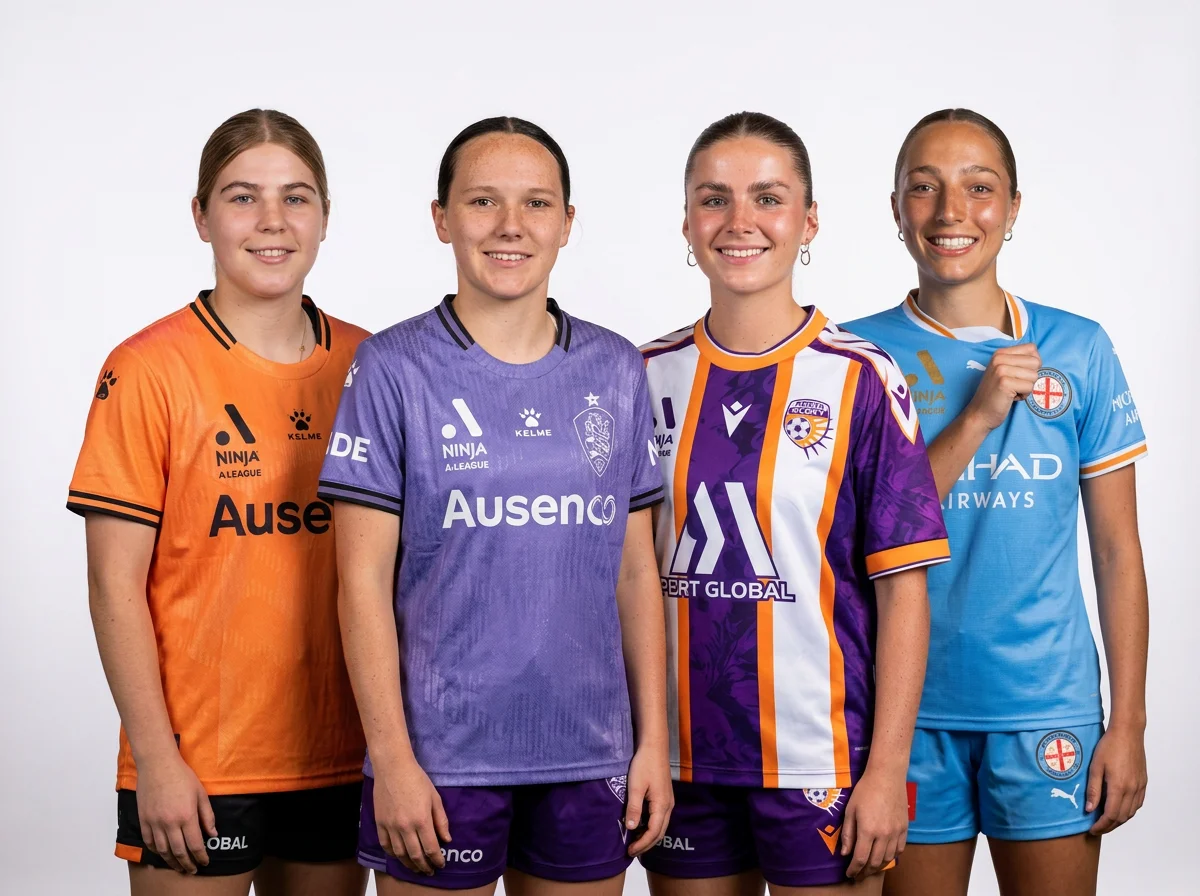
Your own story is just as special and I am super proud to have worked with you and the rest of the squad. Congratulations: Lilly Punch, Alesha Manthey, Chloe Murray & Tully Heatly
